
Collections of the museum
Mineral laboratory
Explore 70 tabs with sample photos, formulas and 3D models. Compare properties and see how you have the matter in the crystalline cell.
Search for a mineral
Actinolite
Silicates
Ca2(Mg,Fe2+)5Yes8O22(OH)2
The actinolite is a calcic amphibole of the tremolite–actinolite–ferro-actinolite series, with intermediate composition varying between the terms of...

Quartz
Silicates
SiO2
Quartz is silicon dioxide, SiO₂, and one of the most widespread species in the earth's crust. The α form is trigonal under ordinary conditions; the...

Baryte
Solphates
BaSO4
Barite is barium sulphate, BaSO4, a relatively tender but unusually dense mineral for a non-metallic species. Crystallizes in the system...

Aragonite
Coal
CaCO3
Aragonte is calcium carbonate, CaCO₃, and orthorombic polymorphic of calcite: the ideal composition, different crystalline structure.

Calcite
Coal
CaCO3
The calcite is calcium carbonate, CaCO₃, and the most common of calcium carbonate polymorphs. Its trigonal structure produces a smoothing...

Sulphur
Native elements
S
Sulphur is a native element that at room temperature crystallizes commonly as S8 orthorombique. The crystalline form depends on the...
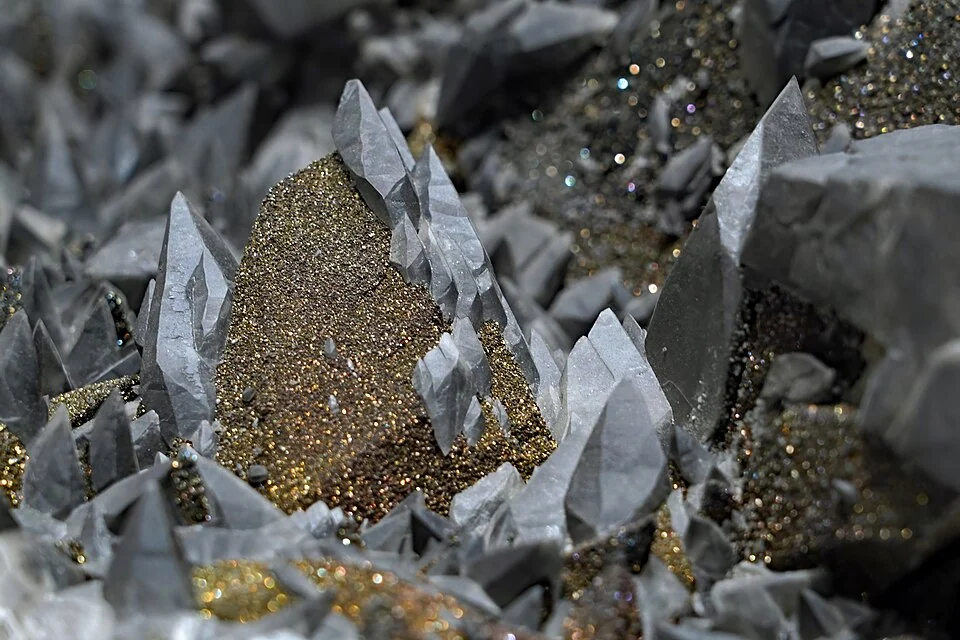
Marcasite
Sulphides and sulphosalts
FeS2
The brandy is iron sulphide, FeS₂, like pyrite, but crystallizes in the orthombique system instead of the cubic one.

Fluorite
Alogenuri
CaF2
Fluorete is calcium fluoride, CaF2, and crystallizes in the cubic system.It is the reference mineral for Mohs scale grade 4.
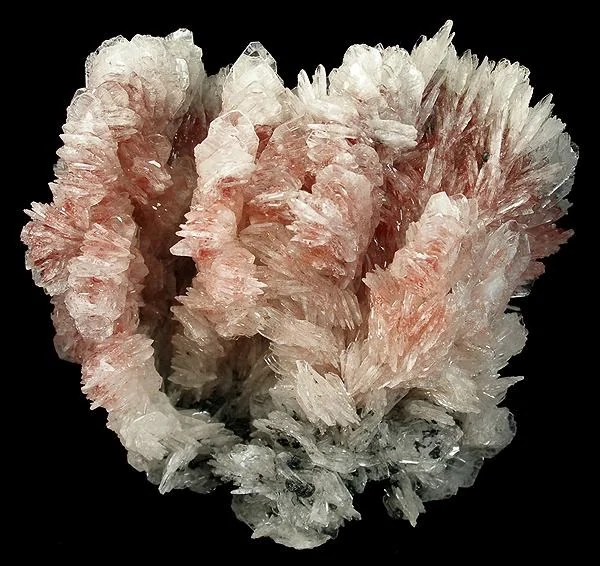
Realgar
Sulphides and sulphosalts
As4S4
The realgar is arsenic sulphide with AsS formula; the short form of the board is correct, while the molecular formula can be made as a...

Orpiment
Sulphides and sulphosalts
As2S3
The bee is arsenic sulphide, As2S3, and one of the natural sulphides recognizable for intense yellow. Its structure is different from that of the...

Gypsum
Solphates
CaSO4·2H2O
The chalk is bihydrate calcium sulphate, CaSO4·2H2O, and crystallizes in the monocline system. Selenite is the traditional name of crystalline varieties.

Haematite
Oxids and hydroxides
Fe2O3
Hematitis is ferric oxide, Fe2O3, and one of the main mineral phases of iron. It can be massive, terrosa or crystalline, with composition that...

Stibnite (antimonite)
Sulphides and sulphosalts
S2S3
The stibnite, also called antimonite, is sulphide of antimony Sb2S3 and the main mineral species of antimony.

Tourmaline (group)
Silicates
NaFe2+3Al6(Sighs)6O18)(BO)3)3(OH)3OH
Tormalina is the name of a supergroup of borate silicates, not of a single species with invariable formula. The species are distinguished according to the...

Tremolite
Silicates
Ca2Mg5Yes8O22(OH)2
The tremolite is a calcium amphibole rich in magnesium, Ca2Mg5Si8O22(OH)₂ in the ideal composition. Forms a compositional series with actinolite and...

Epidote
Silicates
Ca2Al2Fe3+(Si)2O7)(YO)4)O(OH)
The epidote is a calcium and aluminium sorosilicate with ferric iron variable in the structure. The replacement of iron with aluminium modifies the...

Garnet (group)
Silicates
Fe2+3Al2(SINGING)4)3
Granate indicates a group of cubic nesosilicates, not a unique species; the general formula X3Y2(SiO4)₃ He collects different compositions.
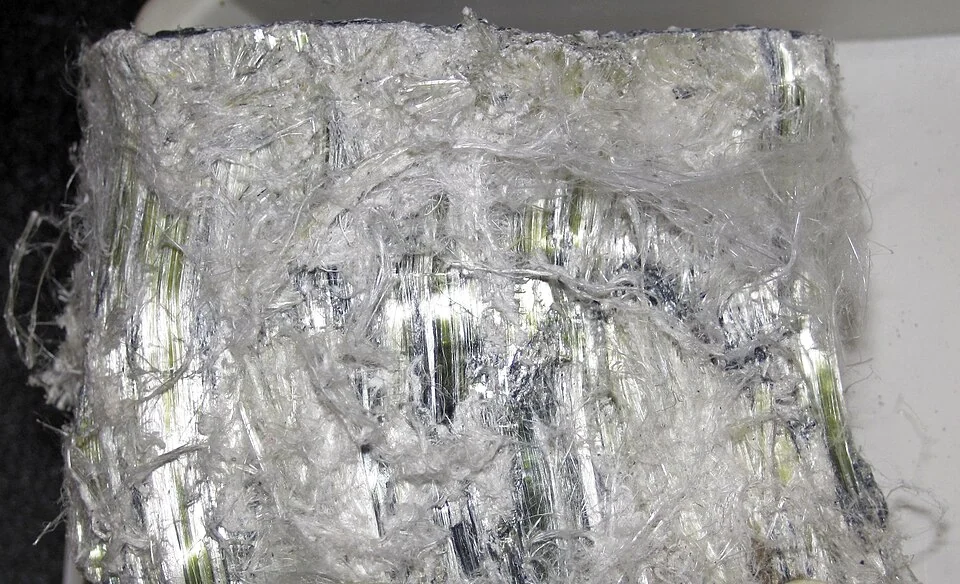
Chrysotile
Silicates
Mg3Yes2O5(OH)4
The cryptotile is a serpent group fillosilicate, Mg3Si2O5(OH)₄, with layers of fibre wrapped. It's one of the minerals that fall...

Anglesite
Solphates
PbSO4
The anthosite is lead sulphate, PbSO4, and a secondary mineral that is formed by oxidation of lead sulphites.
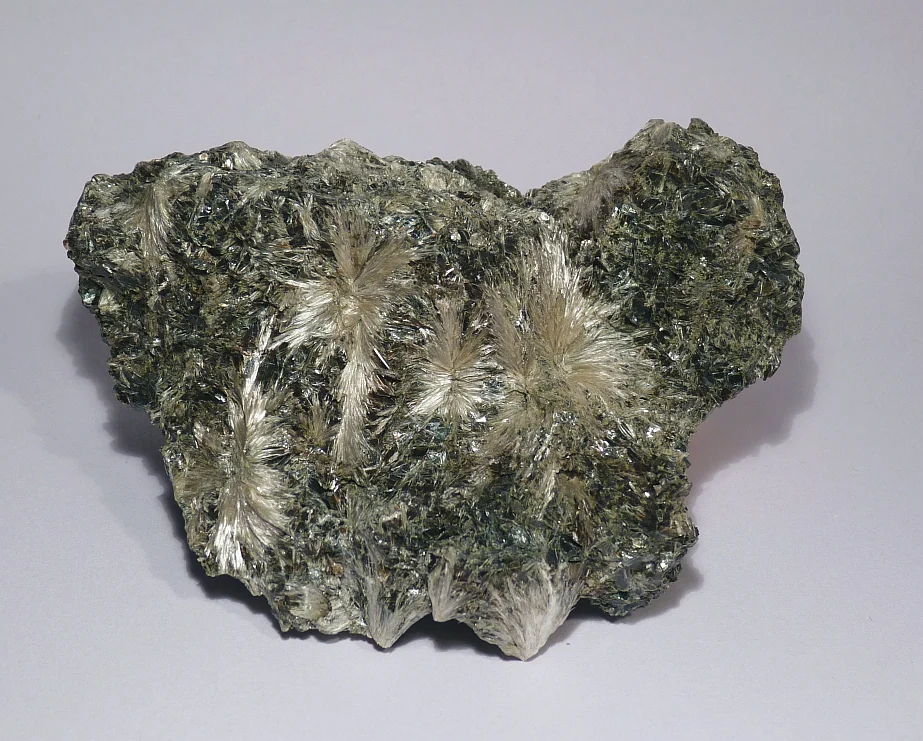
Anthophyllite
Silicates
(Mg,Fe2+)7Yes8O22(OH)2
Anthophyllite is an orthorhombic amphibole rich in magnesium and iron, with the ideal composition Mg₇Si₈O₂₂(OH)₂. It is distinct from the calcic amphiboles…
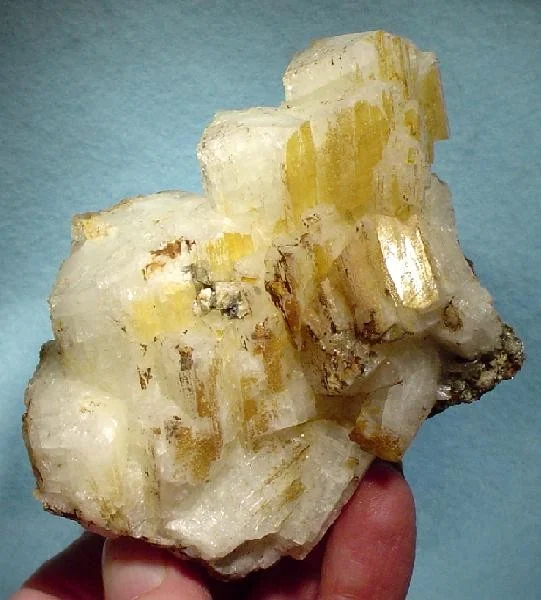
Orthoclase
Silicates
KAlSi3O8
Orthoclase is a monocline potaxic feldspar, KAlSi3O8, a member of the feldspar group. Adularia is a traditional name for a dress or look...
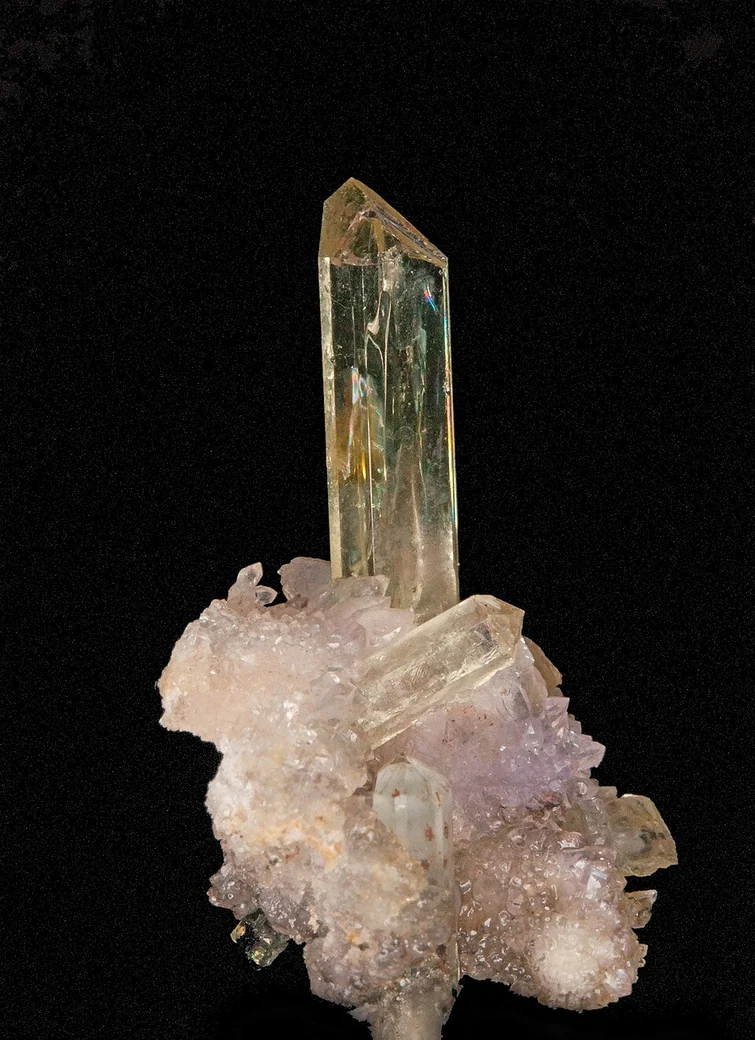
Apatite (group)
Phosphates, arsenates and vanades
Ca5(Phone)4)3F
Apatite is a group name for phosphates with common structure and anionic sites occupied mainly by fluorescence, chlorine or oxydrile; it does not describe a...

Siderite
Coal
FeCO3
Siderite is iron carbonate(II), FeCO3, and belongs to the group of calcite. The composition can contain magnesium, manganese or calcium in...

Mordenite
Silicates
(Sighs)2,Ca,K2)4(Other)8Yes40O96)·28H2O
Mordenitis is a zeolite structure of aluminosilicate with channels and cavities that host water and exchangeable cations. Its composition is...
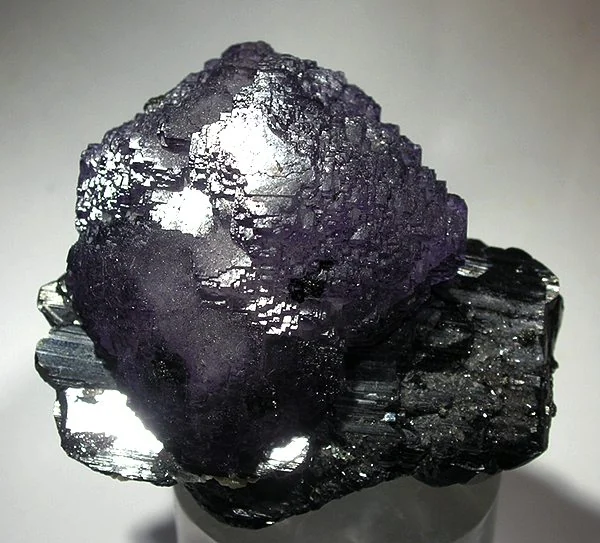
Wolframite (ferberite–hübnerite series)
Molybdenum and wolframati
FeWO4
Wolfvia is the traditional name of the monocline series (Fe,Mn)WO4 between pherorite, rich in iron, and hübnerite, rich in manganese. The composition...

Celestine
Solphates
SrSO4
The celestial, also called celestial, is sulphate of strontium SrSO4 and crystallized in the orthombic system. It is a member of the barite group, with...

Galena
Sulphides and sulphosalts
PbS
Galena is lead sulphide, PbS, and crystallizes in the cubic system. It is the main mineral from which you get the lead, often with silver in...

Sphalerite (zinc blende)
Sulphides and sulphosalts
ZnS
The spalerite is zinc sulphide, ZnS, and the main mineral species of zinc. Blenda is a historical name still diffused; the composition can be...

Boulangerite
Sulphides and sulphosalts
PB5S4S11
Boulangeritis is a lead and antimony sulphide, Pb5Sb4S11. It belongs to a family of metal minerals from complex chemistry and it is not worth...
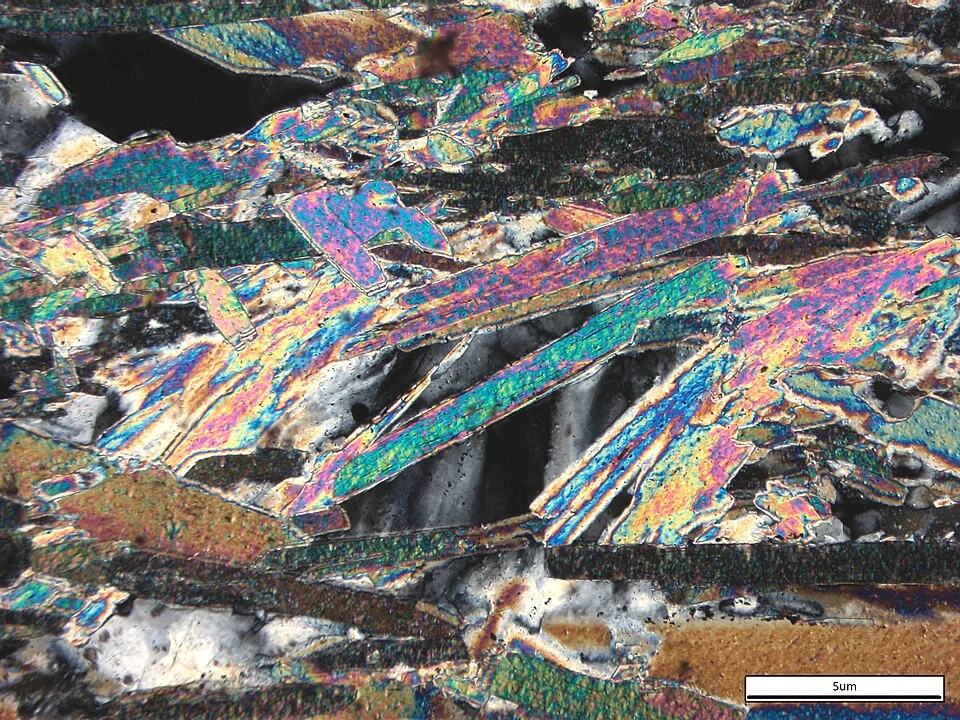
Muscovite
Silicates
KAl2(Alsi)3O10(OH)2
Muscovite is a clear mica, aluminium potax phylloxiate with oxydrilic groups. The foliage structure explains the basal skewing...

Dolomite
Coal
CaMg(CO)3)2
Mineral dolomite is double calcium and magnesium carbonate, CaMg(CO3)₂, distinct from dolomia, the rock consists mainly of this...

Millerite
Sulphides and sulphosalts
NiS
The millerite is nickel sulphide, NiS, which crystallizes in the trigonal system. It is known for thin and aghiform crystals that radiate from the...

Adamite
Phosphates, arsenates and vanades
Z2(SINGING)4(OH)
The atamite is a basic arseniate of zinc, Zn2(AsO4)(OH), and can contain iron or copper in replacement. The composition places it among the arseniates...
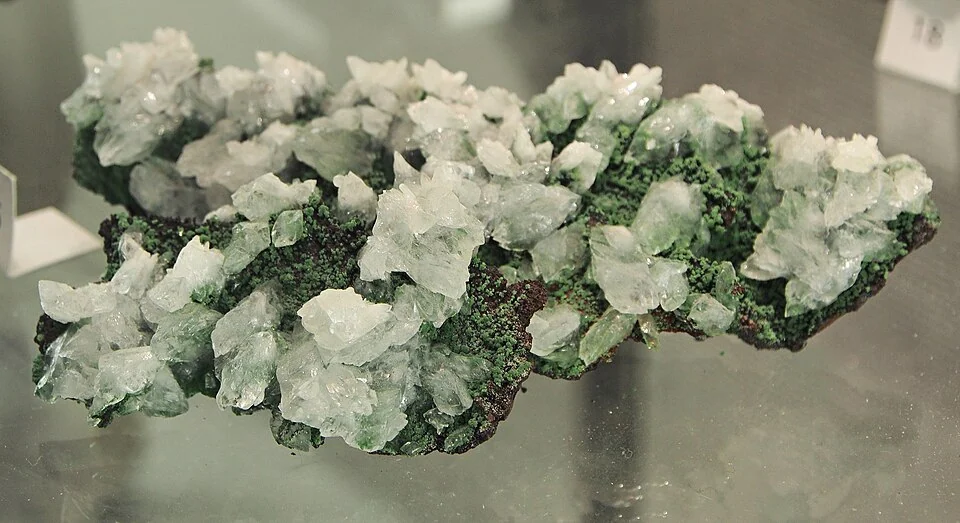
Conicalcite (conichalcite)
Phosphates, arsenates and vanades
CaCu(AsO4(OH)
Conichalcite is a calcium and copper arseniate, CaCu(AsO4)(OH), with composition that may vary by minor substitutions. The current English name...

Limonite (field term)
Geological materials
Limonite is a field term for yellow-brown, hydrated and often little crystalline ferruginous materials, not the name of a single mineral species...

Vanadinite
Phosphates, arsenates and vanades
PB5(VO)4)3C
Vanadinite is lead chloronad, Pb5(VO4)3Cl, of the apatite group. Vanadium can be replaced partly by arsenic or phosphorus, but...

Malachite
Coal
Cum2(Chuckles)3(OH)2
Malachite is basic copper carbonate, Cu2CO3(OH)₂, and a secondary mineral of copper deposits. Green bands can record later...

Descloizite
Phosphates, arsenates and vanades
PbZn(VO)4(OH)
Descloizitis is a basic vanade of lead and zinc, PbZn(VO4)(OH), with copper replacement or other cations in some compositions. It belongs to the...

Chalcopyrite
Sulphides and sulphosalts
CuFeS2
Calcopirite is copper and iron sulphide, CuFeS2, and one of the most important minerals for the production of copper.

Cerussite
Coal
PbCO3
Cerussite is lead carbonate, PbCO3, and a secondary product of the alteration of galena and other lead minerals. Crystallizes in the system...
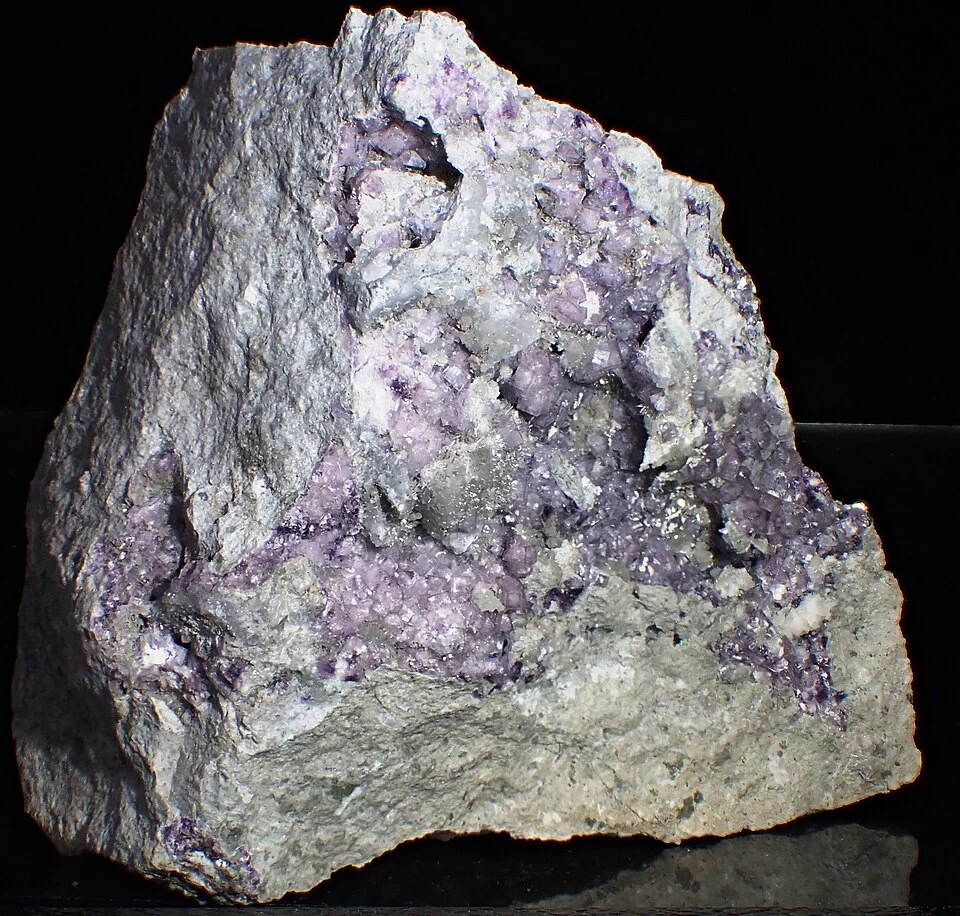
Dawsonite
Coal
NaAl(CO)3(OH)2
The dawsonite is basic carbonate of sodium and aluminium, NaAlCO3(OH)₂, a rare species crystallizes in the orthombique system.

Obsidian (volcanic glass)
Geological materials
Oxydiana is a natural volcanic glass, not a crystalline mineral species: the rapid cooling of the magma prevents the growth of the...

Opal
Geological materials
SiO2·nH2O
The opal is silica hydrated with variable water content and short-range structural order; in a narrow sense it is often described as mineraloid...

Wulfenite
Molybdenum and wolframati
PbMoO4
Wulfenite is molybdened lead, PbMoO4, and crystallizes in the tetragonal system. It is a secondary species of lead and molybdenum deposits.

Goethite
Oxids and hydroxides
FeO(OH)
Goethite is iron oxide, α-FeO(OH), and a common phase in soils and areas of alteration. The orthombique structure distinguishes it from...

Mimetite
Phosphates, arsenates and vanades
PB5(SINGING)4)3C
The mimicitis is lead chlorateenite, Pb5(AsO4)3Cl, and belongs to the structural group of apatitis.

Hemimorphite
Silicates
Z4(Sighs)2O7(OH)2·H2O
Hemimorphite is a zinc-hydrated silicate, Zn4Si2O7(OH)₂·H2O, belonging to the surosilicates. The name recalls the different ending of the two leaders...

Gyrolite
Silicates
NaCa16(Sighs)23Al)O60(OH)8·14H2O
The gyrolite is a lamellar-structured calcium hydrate silicate, described with different formulas in mineralogy sources.

Hyalophane (traditional name for barium-bearing feldspars)
Silicates
(K,Ba)(Yes,Al)4O8
Ialofane (hyalophane) is a name for intermediate barifer feldspars in the orthoclase–celsian series, with Ba–K replacement; the general formula...

Erythrite
Phosphates, arsenates and vanades
Co3(SINGING)4)2·8H2O
Eritritis is arseniato cobalt idrato, Co3(AsO4)₂·8H2O, and belongs to the group of vivianite. The nickname “cobalto bloom” describes the time...

Topaz
Silicates
Al2SiO4(F,OH)2
The topazio is an aluminium nesosilicate with fluorescence and oxydrile, Al2SiO4(F,OH)₂, and hardness 8 in the scale of Mohs. Crystallizes in the system...

Wavellite
Phosphates, arsenates and vanades
Al3(Phone)4)2(OH)3·5H2O
The wavellite is an aluminium phosphate, Al3(PO4)₂(OH,F)₃·5H2O, with replacement between fluorine and oxydrile. Crystallizes in the orthombique system...

Azurite
Coal
Cum3(Chuckles)3)2(OH)2
Blue is basic copper carbonate, Cu3(CO3)₂(OH)₂, and an intense blue secondary mineral. It is chemically distinct from malachite, although it is...

Colemanite
Boratia
CaB3O4(OH)3·H2O
Colemanite is a calcium-hydrated borate, Ca2B6O11·5H2O in the conventional formula, belonging to the class of the borates.

Pyromorphite
Phosphates, arsenates and vanades
PB5(Phone)4)3C
Pyromorphite is lead chlophosphate, Pb5(PO4)3Cl, and member of the apatite group. It forms a structural series with mimicitis, where the...
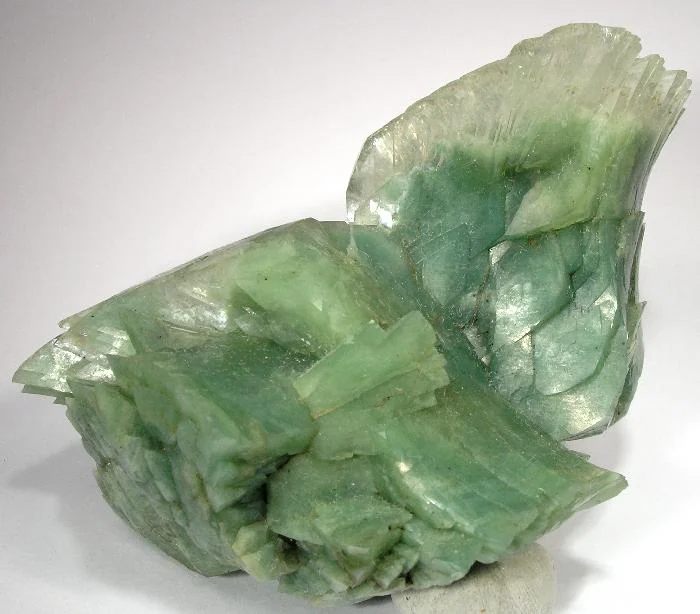
Heulandite (group; species not specified)
Silicates
Ca(Al2Yes7O18)·6H2O
Heulandite is the name of a zeolite of the group of heulandite; in the historical nomenclature the name was also used for different compositions...

Rhodochrosite
Coal
MnCO3
Rodocrosite is manganese carbonate, MnCO3, member of the calcite group. It can contain iron, calcium or magnesium in replacement, with...

Albite
Silicates
NaAlSi3O8
The albite is the sodium term of plagioclasic feldspars, NaAlSi3O8, and forms a continuous series with the anorthetis, rich in calcium. “Plagioclasium”...

Beryl
Silicates
Be careful.3Al2Yes6O18
Berillo is a cyclosilicate of berillius and aluminium, Be3Al2Si6O18, which crystallizes in the hexagonal system. Emerald and aquamarine are varieties of...
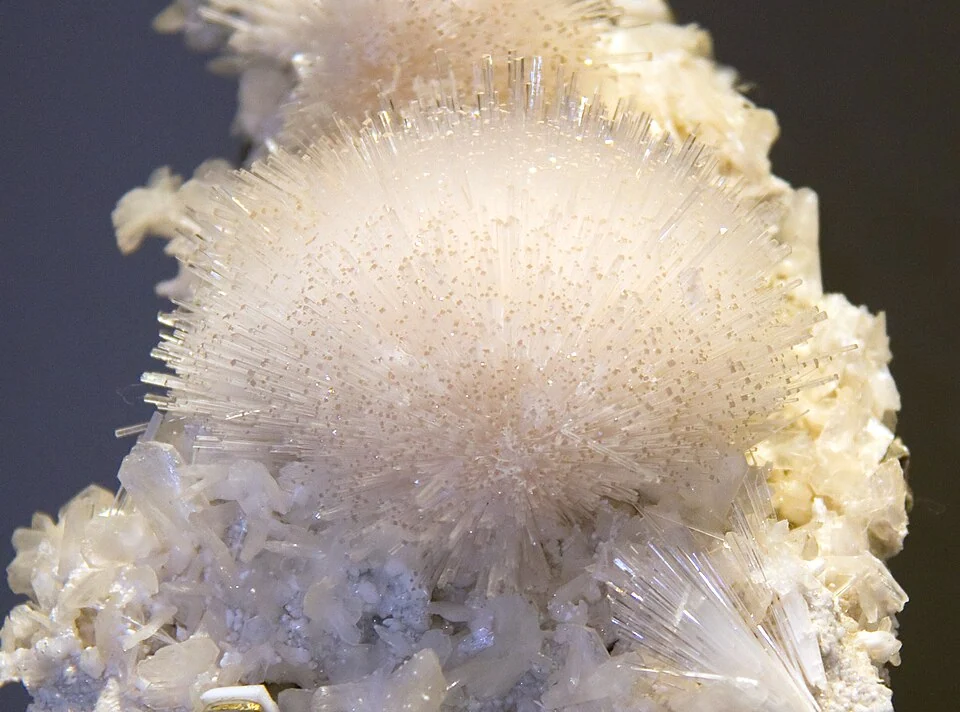
Mesolite
Silicates
Nana2Ca2(Other)6Yes9O30)·8H2O
Mesolite is a zeolite moisturizer of the group of natrolite, with sodium and calcium in the aluminosylicate structure. It's a definite species, distinct...

Anatase
Oxids and hydroxides
TiO2
Anatase is a tetragonal polymorph of titanium dioxide, TiO2; rutile and brookite have the same ideal composition but different structures. The...

Ludwigite
Boratia
Mg2Fe3+O2(BOTHING)3)
Ludwigite is a complex borate of magnesium and iron, with ideal formula Mg2Fe3+BO5. It can contain substitutes between magnesium, iron and other...

Okenite
Silicates
Ca10Yes18O46·18H2O
Okenite is a calcium hydrate silicate, commonly reported formula Ca10Si18O46·18H2O, belonging to leafy silicates.

Brochantite
Solphates
Cum4(SO)4(OH)6
Brochantite is a basic copper sulphate, Cu₄SO₄(OH)₆, and crystallises in the monoclinic system. It is a green secondary mineral found in areas…
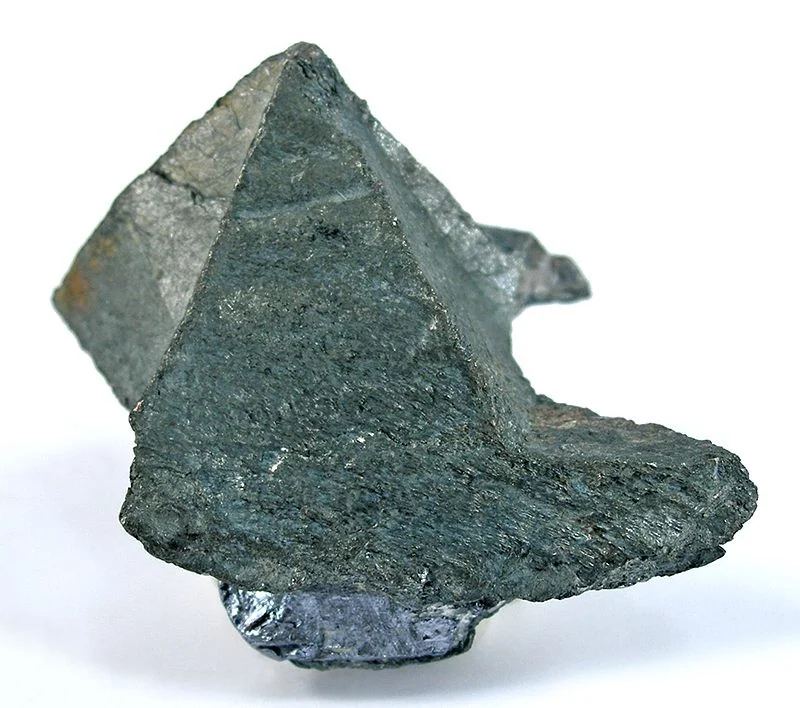
Molybdenite
Sulphides and sulphosalts
MoS2
Molybdenitis is molybdenum sulphide, MoS2, with layers structure and perfect basal sloping. The weak cohesion between layers explains the...

Magnetite
Oxids and hydroxides
Fe2+Fe3+2O4
The magnetite is iron oxide with Fe3O4 formula and cubic structure with reverse spinal cord. It is a ferrimagnetic mineral and can contain titanium or...

Perovskite
Oxids and hydroxides
CaTiO3
Perovskite is the mineral species CaTiO3, a calcium oxide and titanium. Its name also identifies a crystalline structure shared by many...
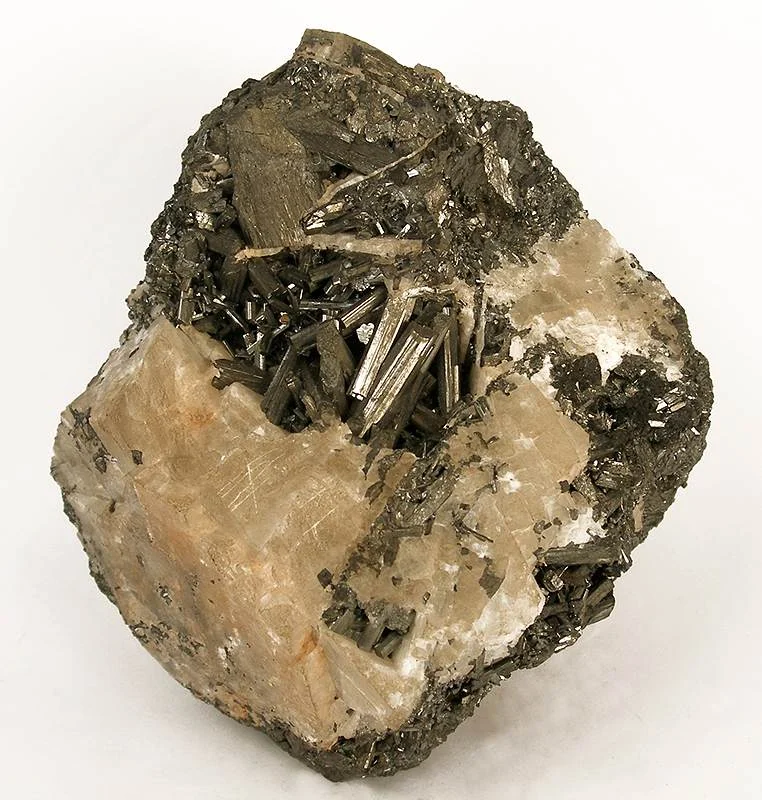
Manganite
Oxids and hydroxides
MnO(OH)
Manganitis is manganese oxyhydride, MnO(OH), with orthombic structure. It is a species distinct from the oxides of manganese anhydrous and from the...

Pyrite
Sulphides and sulphosalts
FeS2
Pyrite is iron sulphide, FeS₂, and crystallizes in the cubic system. It is the most common polymorph than the brandy, which has the same formula...

Cinnabar
Sulphides and sulphosalts
HgS
The cinnabar is the mercury sulphide (HgS). Its crystals belong to the trigonal system. On the Amiata it was the main mineral of the...